

基督徒当中会有一小部分人会将看到的文章或有启发性的句子分享到朋友圈,这是好的,但也有个问题,那就是:每个人对这些信息的理解和看法是不一样的,我们该如何分享才能传递我们的体会呢?或者说身为耶稣门徒的弟兄姐妹如何在生活和社交媒体中展现呢?
一、理解信息的多样性
每个人的背景、经历和理解能力不同,对福音信息的解释也会有所差异。分享前,先理解信息的核心,并思考如何用简单、易懂的方式表达。
二、用个人见证传递福音
多分享自己如何因福音信息而受益的亲身经历,因为真实的见证更能打动人心,让人产生共鸣和兴趣,而没有生命见证的‘金句’如同昙花,甚至如同‘宗教K粉’,不切合自己属灵的实际,给人带来的大多是幻觉,于他人生命成长近乎无益,甚至有害。
三、结合实际应用
说明福音信息在实际生活中的应用。例如,在面对挑战、困境或决策时,如何依靠信仰获得力量和指引。
四、注重互动与交流
在分享过程中,鼓励对方提问和发表看法。通过互动,可以更深入地探讨福音信息,并澄清误解。
五、使用多种媒介
利用文字、图片、视频等多种形式分享,增加吸引力和理解度。现代社交媒体提供了丰富的工具,可以制作有吸引力的内容。
六、保持谦逊与尊重
尊重他人的信仰和观点,不强求接受,而是提供一个开放的交流平台。分享时,态度谦逊、温和,更易获得他人的认同和理解。
七、持续学习和成长
不断学习和深入理解福音信息,提升自己的表达能力和内容深度。通过与其他基督徒的交流和学习,可以获得更多的分享技巧和经验。
实例分享
假设你读到一篇关于“在困境中信靠神”的文章,分享时可以这样做:
- 概述文章核心:“最近读了一篇文章,讲到在困境中信靠神的重要性。”
- 个人见证:“我也曾在事业低谷时,因祷告和信靠神重新获得力量。”
- 实际应用:“无论面对什么挑战,我们都可以通过祷告寻求神的指引。”
- 互动交流:“你在生活中是否有类似的经历?愿意分享一下吗?”
通过这些方法,可以更有效地传递福音信息,让更多人从中受益,下面是两个延伸条目,供进一步思考。
如何激发人们独立思考与勇于承担结果
一、培养独立思考的能力
在分享福音信息时,不仅要传递信仰,还要鼓励读者自己探索和思考。可以推荐相关书籍、提供圣经章节供读者阅读,并鼓励读者自己去解读。
二、示范如何承担结果
用自己的例子告诉读者,信仰不仅是追求精神上的满足,还需要对自己的行为负责。例如,讲述如何在信仰的指导下做出决策,并承担这些决策的后果。
三、提供支持与鼓励
在读者面临困境或疑惑时,给予鼓励和支持,告诉读者尝试学会祷告按神的引导度过难关。通过这样的方法,帮助读者建立自信,勇于承担结果。
子女教育中的应用
一、鼓励自由表达
从小培养孩子表达自己的想法,鼓励他们提问,激发他们的好奇心和求知欲。让他们知道,思考和质疑是成长的重要部分。
二、教育他们独立判断
在日常生活中,引导孩子自己做决定,并分析这些决定的结果。教他们如何通过祷告和阅读圣经来寻求指导,培养他们独立判断的能力。
三、强调承担责任
从小教导孩子为自己的行为负责。通过家庭讨论和实际案例,让他们明白每个决定都有后果,鼓励他们勇敢面对。
总结
通过分享福音信息,不仅可以帮助读者或听众了解基督教的信仰,还可以激发他人独立思考和勇于承担结果的能力。在子女教育中,重视这些方面的培养,可以帮助孩子成长为具有独立思考能力和责任感的个体,成为全社会的楷模。
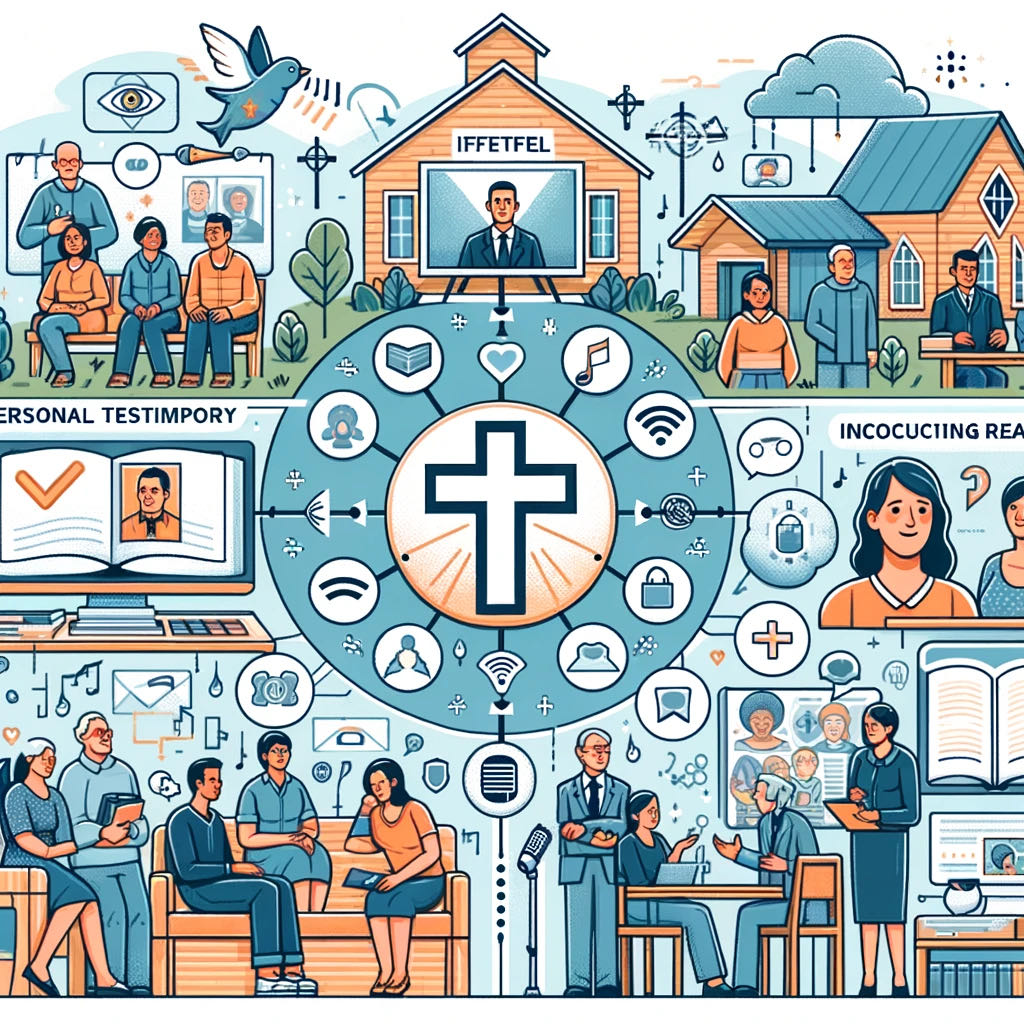
(如有建议敬请留言讨论,邮箱:[email protected])
How to Effectively Present the Gospel Message for People to Benefit
Among Christians, a small number will share articles or inspirational quotes they see on social media; this is good. However, there is a problem: everyone understands and interprets these messages in different ways. How can we share our experiences so that our understanding is conveyed clearly? In other words, how should brothers and sisters in Christ present their lives and testimonies on social media and in everyday life?
1. Understand the Diversity of Information
Each person has unique backgrounds, experiences, and levels of understanding, so interpretations of the gospel message will vary. Before sharing, identify the core of the message and think about how to express it in a simple, easily understandable manner.
2. Use Personal Testimony to Convey the Gospel
Frequently share how the gospel has personally benefited you. Authentic testimony touches hearts and can resonate and spark interest far more than isolated “golden quotes” without life experience—which, if detached from true spiritual fruitfulness, often appear as transient or even as “religious gimmicks” that rarely contribute to genuine growth.
3. Combine with Practical Application
Explain how the gospel message applies to everyday life. For example, describe how faith provided strength and guidance when facing challenges, difficulties, or making important decisions.
4. Emphasize Interaction and Communication
Invite others to ask questions and share their views. Through genuine interaction, you can explore the gospel message in greater depth and clear up any misunderstandings.
5. Use a Variety of Media
Use text, images, videos, and other forms of media to share your message. Modern social platforms offer many engaging tools that can help attract attention and foster better understanding.
6. Maintain Humility and Respect
Respect the faith and opinions of others. Do not force acceptance of your views; instead, provide an open platform for discussion. A humble and gentle attitude is much more likely to earn others’ recognition and understanding.
7. Continue Learning and Growing
Keep learning and deepening your understanding of the gospel so that you can improve your ability to express it and add depth to the content you share. Exchange ideas with other believers to gain more sharing skills and insights.
Example of Sharing
Suppose you read an article about “Trusting God in Difficult Times.” When sharing, you might:
- Summarize the Core Message: “I recently read an article about the importance of trusting God in difficulties.”
- Share Your Testimony: “I once experienced a career low when, through prayer and trusting God, I regained strength.”
- Offer a Practical Application: “No matter what challenge we face, we can always seek God’s guidance through prayer.”
- Invite Interaction: “Have you experienced something similar? Would you like to share your story?”
By following these methods, you can more effectively transmit the gospel message and help more people benefit from it.
Encouraging Independent Thinking and the Willingness to Bear Responsibility
I. Cultivate Independent Thinking
- Encourage Exploration: While sharing the gospel, don’t just deliver the message—encourage your listeners to explore and think for themselves. Recommend related books and Bible passages for further reading, and invite them to interpret these messages on their own.
II. Demonstrate How to Take Responsibility
- Share Personal Examples: Tell people that faith is not only about spiritual fulfillment but also about taking responsibility for one’s actions. Share how, under the guidance of faith, you made decisions and accepted their outcomes.
III. Provide Support and Encouragement
- Offer Help in Tough Times: When someone faces trials or doubts, extend encouragement and support. Advise them to pray and rely on God’s guidance to overcome difficulties, thereby helping build their confidence and readiness to accept responsibility.
Application in Children’s Education
1. Encourage Free Expression
- Foster Expression: From an early age, encourage children to share their ideas and ask questions. Cultivate their natural curiosity and desire to learn by making it clear that thinking and questioning are essential parts of growing up.
2. Teach Independent Judgment
- Guide Decision-Making: In daily life, encourage children to make their own decisions and consider the outcomes. Teach them to seek guidance through prayer and Bible reading, so that they gradually develop the ability to evaluate situations independently.
3. Emphasize Responsibility
- Instill Accountability: Teach children that they are responsible for their actions. Use family discussions and real-life examples to help them understand that every decision has consequences, and encourage them to face those responsibilities courageously.
Conclusion
By sharing the gospel message, we can not only help readers or listeners understand the Christian faith but also inspire them to think independently and take responsibility for their outcomes. Emphasizing the cultivation of these qualities in children helps them grow into individuals with independent thinking and a strong sense of responsibility—becoming role models for the entire society.
-
工作结束后,我们才回到了人生(EN ver. inside)
文/HuSir 很多人对中国的“体制”一词不了解,但我有一些。很多人在经历了多年工作后或许才明白自己“终其…
-
恩典的隐匿与沉默 (EN ver. inside)
—— 在一个不再相信恩典的时代,人与AI的对话 文 / HuSir 一 我们今天的讨论从旧约开始…
-
HuSir书籍的推荐信(EN ver. inside)
作者:胡明(Ming Hu(HuSir)) 博客:https://husir.org 推荐语 我诚挚推荐胡…
-
HuSir的电子书推荐(EN ver. inside)
文 / HuSir 一位中国基督徒的笔耕之路:五本书的见证,作者Ming Hu(HuSir)。…
-
不会编程的人,如何进入AI Coding时代?(EN ver. inside)
文 / HuSir 最近一年多,我发现一个有趣的现象。许多四五十岁甚至六十岁左右的朋友,一提到人工智能,往…
-
走出思维的冬眠:AI时代,如何通过“主观能动性”重塑自我?(EN ver. inside)
文 / HuSir 在这个AI应用遍地开花的时代,人们每天都在讨论技术迭代、效率提升,以及未来会发生怎样的…
-
由“人老不以筋骨为能”的下一句想到的(EN ver. inside)
文 / HuSir 在这个连呼吸都嫌慢的时代,年轻人与老年人之间,正在经历一种越来越明显的断裂感…
-
对父母的爱,是一代人走过之后,才慢慢读懂的(EN ver. inside)
文 / HuSir 家族里的爱,究竟是如何传递下去的呢?年轻时,我并不明白。 我的父亲在二十九年前因病…
-
从“辖制”中突围:以悔改为核心的生命治理(EN ver. inside)
文 / HuSir 引言:系统里的“零件” 走进阴霾国的现代医院,很多人都会先经历停车困难,再经历人山人海…
-
谁在恐惧有神论?——“老大哥”究竟害怕什么?(EN ver. inside)
文 / HuSir 在乔治·奥威尔的经典寓言《1984》中,大洋国的每一个角落都张贴着那张带有胡…
-
什么样的想法,才真正出于撒但?(EN ver. inside)
文 / HuSir 弟兄姐妹们,大家都听过“撒但会试探人”这句话,但若进一步追问:“什么样的想法,才真正出…
-
你所追求的,究竟是信仰,还是迷信?(EN ver. inside)
文 / HuSir 在现实生活中,很多人都会说自己“有信仰”。有人信佛,有人信道,有人信基督,也有人口口声…