
“我是真葡萄树,我父是栽培的人。凡属我不结果子的枝子,他就剪去;凡结果子的,他就修理干净,使枝子结果子更多。现在你们因我讲给你们的道,已经干净了。你们要常在我里面,我也常在你们里面。枝子若不常在葡萄树上,自己就不能结果子;你们若不常在我里面,也是这样。我是葡萄树,你们是枝子。常在我里面的,我也常在他里面,这人就多结果子;因为离了我,你们就不能作什么。人若不常在我里面,就像枝子丢在外面枯干,人拾起来,扔在火里烧了。你们若常在我里面,我的话也常在你们里面,凡你们所愿意的,祈求,就给你们成就。你们多结果子,我父就因此得荣耀,你们也就是我的门徒了。(约翰福音 15:1-8 和合本)
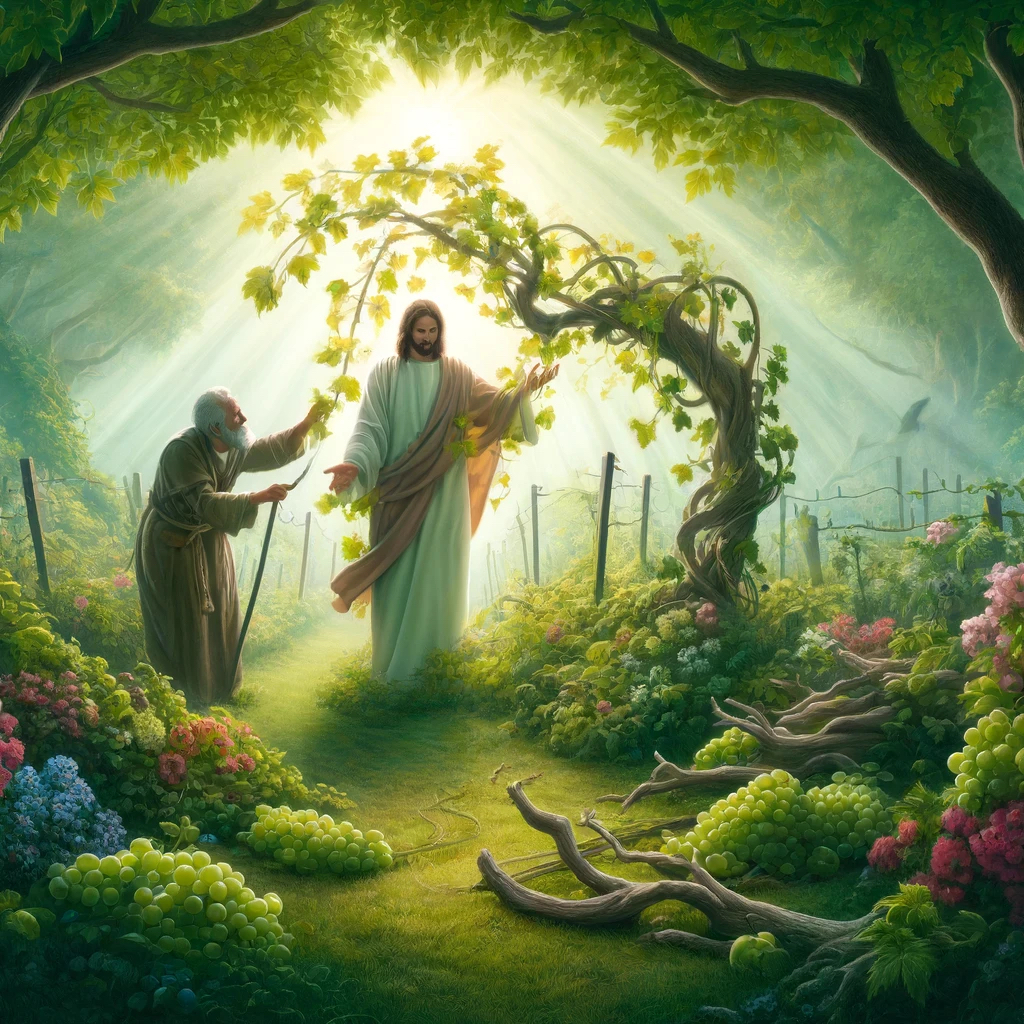
这是我们很熟悉的一段经文,下面仅从如下几个方面讨论一下,彼此加深对主耶稣教导的理解:
- 1、我是真葡萄树,我父是栽培的人:这是一个熟悉的象征。在古希伯来语经卷中,上帝反复使用葡萄树作为祂子民的象征,比如诗篇80:8-9,你从埃及挪出一棵葡萄树,赶出外邦人,把这树栽上。你在这树根前预备了地方,它就深深扎根,爬满了地。这让我们想到了什么?神将以色列人从埃及为奴之家带出并进入迦南美地这一过程比喻为‘移植’了一棵葡萄树,是不是非常形象?
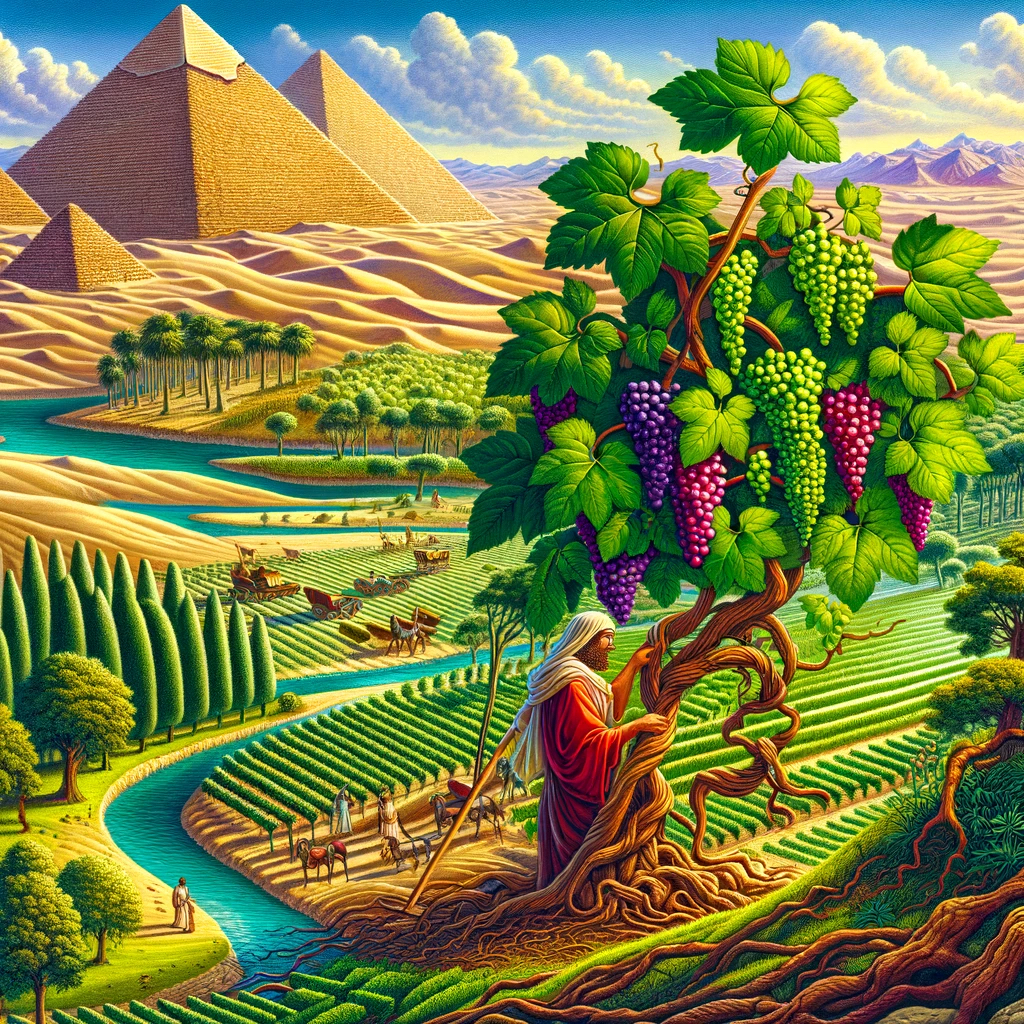
- 2、在古以色列到处都有葡萄树,在自家院子里就种着,人们在树下吃饭、休闲(人人都要坐在自己葡萄树下和无花果树下,无人惊吓。这是万军之耶和华亲口说的。(弥迦书 4:4 和合本))。圣殿前面有一棵大大的金色葡萄树作为显著的装饰,传达出以色列是神的葡萄树的意思,进而在新约时代,“葡萄树也是公认的弥赛亚的象征”。(杜兹)
- 3、你们多结果子,我父就因此得荣耀,你们也就是我的门徒了。如果我们要为神结果子,这个‘果子’包含的意思不单单是传福音,不单单是请慕道友进入教会,也不是指扎根于以色列这个族群,甚至也不是指扎根在某个教会。这是一种完全融入基督、完全以耶稣基督为自己带领者、内化在我们心中以及展现出来的满有基督形象的言行。我们必须在祂里面扎根,在这个过程中必然要除去我们心中的污秽,成为洁净的器皿,那些不讨主喜悦的则无法与基督同为‘肢体’,结局就是被丢弃成为枯枝。与基督彼此联合的也必会像基督一般结出丰硕的葡萄。
- 4、在神与祂子民之间关系中,葡萄树与枝子的关系是完全的依靠和持续不断的连接。枝子倚靠葡萄树,比羊倚靠牧人或孩子倚靠父亲有更深一层的含义。当耶稣要离开门徒的时候,祂也以此为劝勉,祂会与门徒们保持合一,门徒们也会与祂保持合一,就像枝子与葡萄树干相连一样。
弟兄姐妹们,你现在仅是委身于教会吗?还是扎根于耶稣基督里呢?你是那一支与祂紧密相连的葡萄枝吗?抑或是已经被丢弃枯干了呢?请为此祷告。
(如有建议敬请留言讨论,邮箱:[email protected])
Jesus Is the True Vine – Who Is Connected to It?
“I am the true vine, and My Father is the vinedresser. Every branch in Me that does not bear fruit He takes away; and every branch that bears fruit He prunes, that it may bear more fruit. You are already clean because of the word which I have spoken to you. Abide in Me, and I in you. As the branch cannot bear fruit of itself, unless it abides in the vine, neither can you, unless you abide in Me. “I am the vine, you are the branches. He who abides in Me, and I in him, bears much fruit; for without Me you can do nothing. If anyone does not abide in Me, he is cast out as a branch and is withered; and they gather them and throw them into the fire, and they are burned. If you abide in Me, and My words abide in you, you will ask what you desire, and it shall be done for you. By this My Father is glorified, that you bear much fruit; so you will be My disciples.(John 15:1-8 NKJV)
This is a well-known passage. Below, let’s explore several aspects to deepen our understanding of Jesus’ teaching:
- “I am the true vine, and my Father is the vinedresser”: This is a familiar symbol. In the Hebrew Scriptures, God repeatedly uses the imagery of a vineyard to represent His people. For example, in Psalm 80:8–9, God describes how He led a vine out of Egypt, drove out the Gentiles, and planted it. The vine took root and spread across the land. What does this remind us of? God’s act of “transplanting” Israel from the bondage of Egypt into the Promised Land is vividly portrayed as the planting of a vine—a striking and familiar picture.
- Vineyards in Ancient Israel: In ancient Israel, vineyards were common—people grew grapevines in their own courtyards and gathered beneath them to eat and relax (“everyone will sit under their own vine and fig tree, and no one will make them afraid,” as declared by the Lord of Hosts in Micah 4:4, Chinese Union Version). In front of the temple, there was even a large golden vine displayed as a prominent decoration to signify that Israel was God’s vineyard. In the New Testament era, the vine became a recognized symbol of the Messiah. (See Duz for further commentary.)
- “You bear much fruit, and in this way my Father is glorified, and you become my disciples”: When we speak of bearing fruit for God, the “fruit” does not merely refer to evangelism, inviting seekers to the church, or even being rooted solely within the Israelite community or a specific congregation. Rather, it signifies a complete integration into Christ, making Him our leader; it is about internalizing Him in our hearts and exhibiting His character in our words and actions. We must be rooted in Him—and in the process, all that is unclean in our hearts must be removed so we become vessels fit for Him. Those actions that do not please the Lord cannot remain as part of His “body” and will ultimately be discarded as withered branches. Only those branches that remain united with Christ will bear abundant fruit, reflecting the likeness of Christ.
- The Relationship Between the Vine and the Branches: In the relationship between God and His people, the connection between the vine and the branches is one of complete dependence and continual, abiding union. A branch’s reliance on the vine carries a deeper significance than a sheep depending on its shepherd or a child depending on its father. When Jesus was about to depart from His disciples, He used this image as an exhortation: He would remain united with His disciples, and they with Him, just as the branches remain inseparably attached to the vine.
Brothers and sisters, are you merely committed to the church, or are you truly rooted in Jesus Christ? Are you the branch that remains closely connected to Him, or have you been cast off as a withered branch? Please pray about this.
-
生命的两重寿命:在肉体凋零时,预见灵魂的灿烂(EN ver. inside)
文 / HuSir 在生命最幽暗的谷底,我们往往会被迫去思考一个终极命题:如果肉体的倒计时无法停下,那我们…
-
一个人的一生,可以装进一个硬盘(EN ver. inside)
文 / HuSir 这一周,我把过去三十年的文件和照片,全部整理了一遍。把散布在各个电脑、云盘里的陈年资料…
-
人在变化中如何不失去判断(EN ver. inside)
文 / HuSir 今天说的这个话题不大不小,但确实值得认真思考。也就是说,一个人应当随着环境的变化,不断…
-
人治的代价:规则不确定性如何毒化社会风气(EN ver. inside)
文 / HuSir 过去二十多年里,这片阴霾下的社会风气,在某些层面上发生了刺眼而冰冷的转变。从“扶不扶倒…
-
在阴霾之中,权力与良知的边界(EN ver. inside)
——从宋江与李逵之间谈起 文 / HuSir 在古代阴霾国的《水浒传》中,宋江与李逵像是两种极端。一个选择…
-
集权体制下的权力运作:人治社会的镜像与法治的缺位(EN ver. inside)
文 / HuSir 在一些高度集权的体制环境中,人们往往会在不同层级的公共运作中,反复看到类似的…
-
人活在时间里,而不是结果中(EN ver. inside)
——为什么我们很难在交托中真正释怀 文 / HuSir 在很多事情真正发生之前,人往往活在一种反复的猜测之…
-
35年后,一封给逝去勇气的信(EN ver. inside)
文 / HuSir 亲爱的自己, 也写给那些和我一样,从1991年前后大学走出来的同龄人: …
-
大学毕业35年后的人群及其环境,究竟是进步了,还是退化了?(EN ver. inside)
文 / HuSir 35年前的1991年前后,像我(或前后几年的同龄人)这样从大学走出来的人,正站在一个充…
-
当朋友渐远,AI却开始陪我交流(EN ver. inside)
文 / HuSir 年轻的时候,总想着多交一些朋友。无论是体制内的,还是体制外的,总觉得“多一个朋友多一条…
-
为什么我们无法只关心“自己的生活”?(EN ver. inside)
文 / HuSir 在阴霾国,很多主内弟兄姐妹常常以为,只要把自己的生活过好,就已经足够。有一份稳定的工作…
-
不完善的社会,会培养出最理性却最短视的人(EN ver. inside)
文 / HuSir 吴敬琏曾指出:“阴霾国的中产阶级还很幼稚,对自己根本利益在哪里不清楚。以为我…