文 / HuSir
如果说“执行力”会让一个人逐渐失去判断,那么权力,则更容易让一个人误以为自己已经不再需要判断。
当一个人拥有越来越大的权力,他往往也在不知不觉中,进入一场无法轻易退出的“赌局”。这场赌局并不写在纸面上,却真实存在于每一个决策之中。一旦下注,就很难停下;一旦走远,就更不愿回头。
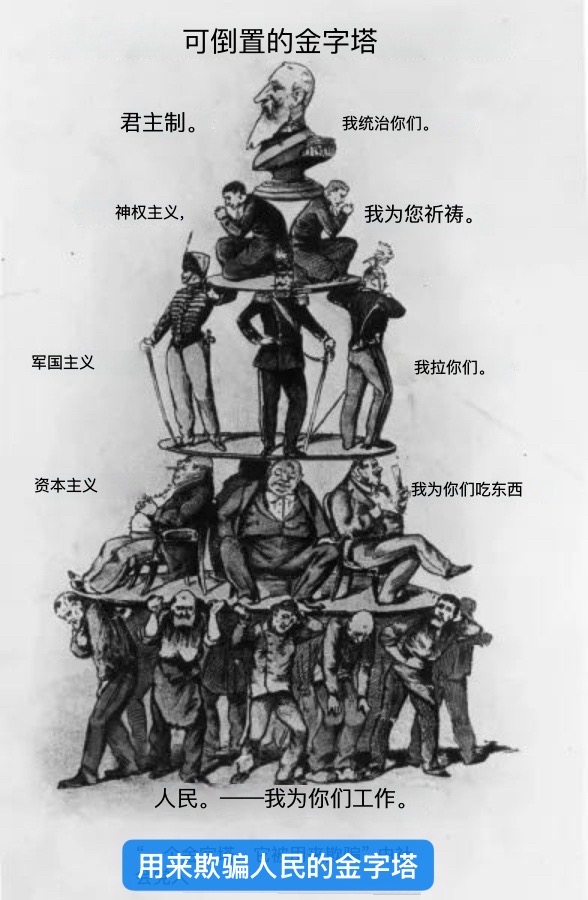
因为回头,意味着承认曾经的某些选择并不正确;而继续前行,则可以暂时维持“自己始终是对的”的状态。于是,方向本身不再重要,重要的是不能停。权力也在这个过程中,从一种工具,逐渐变成一种必须不断证明自己的存在。
很多人以为,掌握权力的人是最自由的。但事实上,当一个人必须不断维持自己的权威,必须不断证明自己的正确,他就已经不再自由。他需要继续前进,并不是因为前方一定正确,而是因为已经无法承受停下来的代价。这种状态,与一个不断加码的赌徒,并没有本质的区别。
我更愿意把这篇文章,当作一次安静的对话。不是指责,也不是情绪,而是试着问他一个问题:你是否还记得,在一切开始之前,你作为一个普通人的状态?
那时候,你或许并不完美,但你至少可以承认错误,可以停下来,可以在不确定中调整方向。你不需要让所有人围绕你的判断运转,也不需要把每一次选择都解释成“必然正确”。
权力有一种非常隐蔽的力量。它不会突然改变一个人的本性,却会慢慢改变一个人的环境。身边的人不再提供真实反馈,不同的声音逐渐消失,所有信息开始变得整齐、顺从、符合预期。
在这样的环境中,一个人很容易把被过滤过的世界,当成真实的世界。于是,决策不再面对现实,而是在一个被构造出来的环境中不断循环。越往前走,越难接触真实;越远离真实,就越需要继续向前。
这时候,问题就不再只是方向是否正确,而是已经失去了校正方向的能力。一个人并不是故意走错,而是在不断确认“自己是对的”的过程中,逐渐与现实脱离。
如果说这是一场赌局,那么真正的危险并不在于输赢,而在于一个人已经无法退出。不是没有机会停下,而是心理上已经无法接受停下。于是,只能继续下注,用更大的代价去覆盖之前的选择。
但任何赌局都有一个无法回避的事实:继续下注,并不会改变已经发生的部分。它只会让后面的代价越来越大,让原本可以调整的空间,逐渐消失。
也许真正需要的,不是再一次“正确的决定”,而是一次愿意停下来的勇气。不是对外界证明什么,而是对自己承认:有些地方,已经需要重新看一看。
从人的角度来说,这其实是一种回归。回到那个仍然可以判断、可以承认不确定、可以不必用权力来维持自我位置的状态。
从信仰的角度来说,这更是一种转向和回归。人并不需要用不断的成功来证明自己,而是需要在内心面对真实。只有当一个人不再依赖外在的掌控来确认自身时,他才可能真正自由。
或许没有人可以轻易改变一个已经运行多年的组织机构方向。但至少,一个人仍然可以在某一个时刻停下来,重新面对真实,而不是继续在惯性中前行。
这很难。
但也正是在这种“可以停下”的可能之中,一个人仍然保有作为人的最后空间。
When Power Becomes a Bet: A Letter to the One Who Keeps Raising the Stakes
By HuSir
If “execution” makes a person gradually lose their judgment, then power makes a person believe they no longer need judgment at all.
As a person gains more and more power, they often, without realizing it, enter a game they can’t easily exit. This game isn’t written down on paper, but it exists in every decision they make. Once you place your bet, it’s hard to stop; once you go too far, you’re even less willing to turn back.
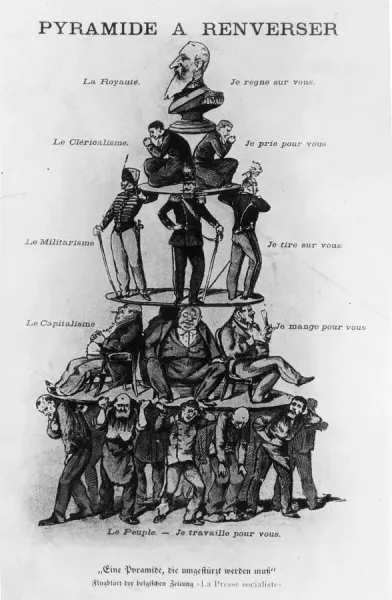
Turning back means admitting that some past choices were wrong; continuing forward allows you to temporarily maintain the belief that “I’m always right.” As a result, the direction itself becomes less important; what matters is not stopping. In this process, power shifts from being a tool to becoming something that needs constant validation of its own existence.
Many people think that those who hold power are the most free. But in reality, when a person must constantly maintain their authority and keep proving they’re right, they are no longer free. They need to keep moving forward, not because the future is necessarily correct, but because they can no longer bear the cost of stopping. This state of affairs is no different from that of a gambler who continuously raises the stakes.
I prefer to treat this article as a quiet conversation. It is not a critique, nor an emotional outburst, but rather an attempt to ask a question: Do you still remember the time before everything began, when you were just an ordinary person?
Back then, you may not have been perfect, but at least you could admit mistakes, take a pause, and adjust direction in uncertainty. You didn’t need to have everyone revolve around your judgment, nor did you feel the need to explain every decision as “inevitably right.”
Power has a very subtle force. It doesn’t suddenly change a person’s nature, but it gradually changes their environment. The people around them stop giving genuine feedback, different voices begin to disappear, and all the information starts to be neat, obedient, and in line with expectations.
In such an environment, a person easily starts to mistake the filtered world for the real world. As a result, decisions are no longer made in the face of reality but in a constructed environment, constantly cycling in place. The further you go, the harder it becomes to touch reality; the further you move from reality, the more you feel the need to keep moving forward.
At this point, the problem is no longer whether the direction is correct, but whether the ability to correct the course has already been lost. A person doesn’t deliberately go wrong; they just gradually lose touch with reality in the process of constantly confirming “I am right.”
If this is a game, the real danger doesn’t lie in winning or losing, but in the fact that a person can no longer quit. It’s not that there’s no opportunity to stop, but that they can no longer accept the idea of stopping psychologically. So they must continue to place bets, paying an even higher price to cover the earlier choices.
But every gamble carries an unavoidable truth: continuing to bet doesn’t change what has already happened. It only makes the price of the future higher and higher, gradually eroding the space that could have been adjusted.
Perhaps what’s really needed is not yet another “correct decision,” but the courage to stop once and for all. Not to prove anything to the outside world, but to admit to oneself: there are places that need to be re-examined.
From a human perspective, this is a return—a return to the state where one can still make judgments, acknowledge uncertainty, and not need to use power to maintain one’s position.
From the perspective of faith, it is even more of a turn and return. A person doesn’t need to prove themselves through continuous success but must face the truth within. Only when one no longer relies on external control to confirm their existence can they truly be free.
Perhaps no one can easily change the direction of an organization that has been running for many years. But at least, a person can still, at some point, stop and face reality again, instead of continuing to move forward in inertia.
This is hard.
But it is precisely in this “ability to stop” that a person retains their last bit of humanity.