文/HuSir
在这个被大数据和算法精准计算的时代,现代成年人正经历着前所未有的异化。无论你的月薪是两三千还是四五万,那种由于“不确定性”带来的焦虑是完全平等的。今天我们一起来探讨,在儒释道传统文化熏陶下的国人,如何从思维定式中走出来,深入理解圣经话语的精髓。
一、困局:深海里的成年人与“失语”的信仰
在传统文化的意识环境中,我们被困在职场的绩效考核、子女教育的军备竞赛以及家庭琐事的连轴转中,像是一台永不停歇的精密仪器。更深层的无奈在于,当我们试图从传统文化中寻找慰藉时,潜意识里运行的往往是儒家的“修身齐家”或佛道的“消业转运”。我们总觉得,生活不如意是因为自己做得不够好、功德不够多、修行不到位。
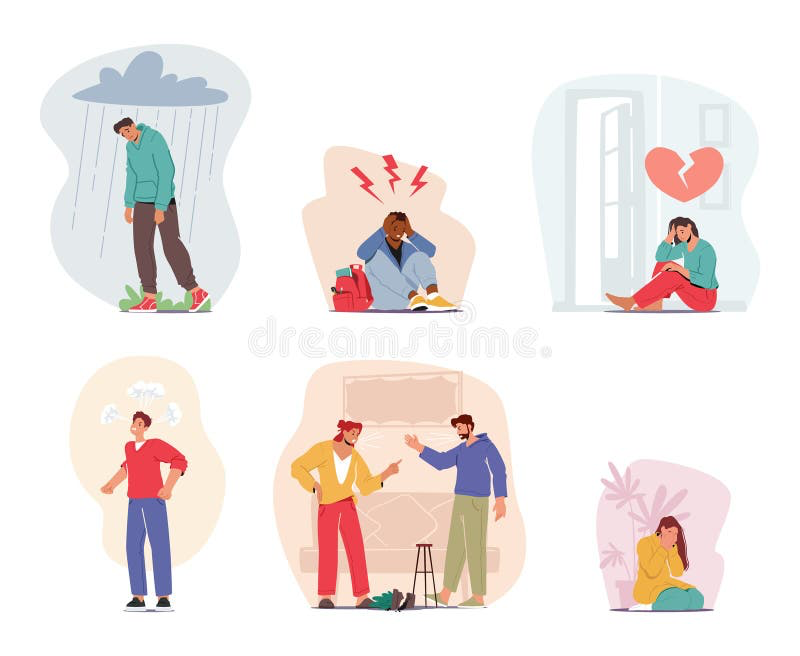
很多弟兄姐妹虽然信主多年,但在翻开圣经时,依然感到一种莫名的隔阂。那些翻译过来的神学名词,如“罪”“义”“圣洁”,在我们的脑海里往往会自动转换成“报应”“德行”或“清净”。这种语境的错位,导致我们虽然坐在教堂里,灵魂却依然在儒释道的“自救”苦海中泅渡。我们既无法达到传统修行中那种“看破红尘”的决绝,也无法真正领受圣经中“凡事交托”的轻盈。结果就是两头落空,在实际生活中,既丢不掉成年的包袱,也找不到属灵的出口。
这种灵性上的“人格分裂”,让许多信主多年的信徒依然活得战战兢兢。我们口里称耶稣为主,背上却仍扛着儒释道那套“自救”的沉重行囊,在因果的逻辑中反复打转,始终无法领受那应许中的安息。
二、根源:儒释道的“自救”枷锁与因果的慢性毒药
我们要看清这种“不平安”的根源。在儒释道的底层逻辑中,人始终是自己命运的最高负责人。儒家讲“格物致知”,强调通过自我的道德完善来对抗世界的混乱;佛家讲“因果业力”,认为现世的每一分苦难都是前世欠下的债,你必须通过这辈子的忍耐与修行去“还”。这种思维模式给成年人戴上了无形的枷锁:如果你病了,你会下意识地想是不是哪里积了业障;如果孩子不听话,你会觉得这是“讨债鬼”上门。
要真正得着释放,必须先看清思维底层的“毒刺”。儒释道三家虽表现各异,核心逻辑却高度一致:都强调个人通过自我修行来应对生命,接受业力因果的必然。
在儒家语境中,生活的不如意往往被归结为“修身”不足,于是人陷入无休止的自我检讨与道德紧绷;在佛道语境里,三世因果的论调更为沉重——不仅要为今生负责,还要为未知的前世买单,并为未来的轮回担忧。这种逻辑下,苦难不再是暂时的试炼,而是“报应”,是必须偿还的“债”。
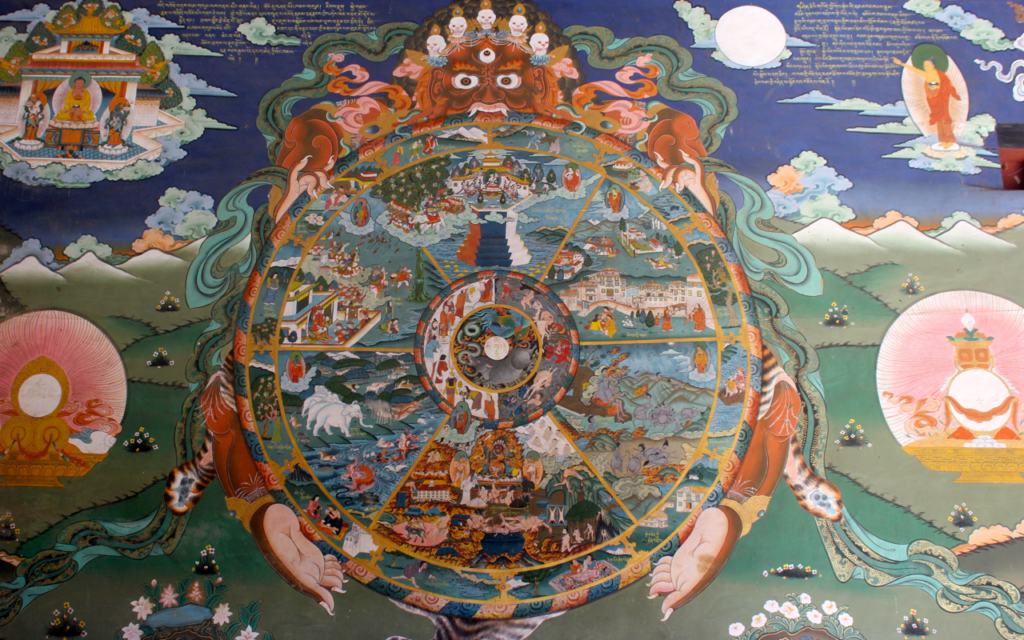
这种思维对成年人的杀伤力尤为巨大:它让你成为自己命运的“唯一且最终负责人”。孩子没教好,是你德行有亏;事业失败,是你命数有缺。这种“自救”的修行,本质上是一场没有终点的马拉松,让人始终陷在“我做得还不够”的自责与恐慌之中。所谓的“格物致知”或“禅定看破”,常常沦为逃避现实痛苦的避风港,而非真正解决苦难的动力。
三、突围:耶稣基督对“逻辑底层”的彻底拆除
基督信仰进入东方文化时,最具震撼力的并非道德教导,而是对“因果律”的根本终结。耶稣在十字架上最后那句“成了”(希腊文 Tetelestai,约翰福音19:30),在当时的商业语境中,意为“债已全数付清”——这是一场革命性的反转。
你不再需要靠个人修行去抵消业力,因为那最沉重的罪债,上帝的独生子已经一次性、完全地替你承担了。

– 关于因果:在基督里,因果不再是冰冷的机械报应。耶稣已将“果”的重担从你肩上卸下。你如今所经历的苦难,不再是还债,而是为了让你得益处的“管教”或“试炼”(希伯来书12:5-11)。正如果树被修剪,疼痛真实存在,却是为了结出更多果子。
– 关于报应:许多人惧怕“年轻时的错带来晚年的灾”。但福音宣告:“基督既为我们受了咒诅,就赎出我们脱离律法的咒诅”(加拉太书3:13a)。那本写满亏欠的“业力账本”,已被钉在十字架上,彻底焚烧,我们只需按照耶稣基督的带领行事为人即可。
– 关于空与实:佛家讲凡事皆“空”借以让人放下执着,却常导向冷漠或虚无;圣经讲“虚空”却是为了引人看见那唯一的“真实”。我们放下世界,不是因为世界虚假,而是因为上帝的爱远比世界更真、更可靠。
四、转换:从“负重登山”到“甩包袱”的属灵艺术
成年人的包袱,没有一个是轻的。但基督信仰的智慧在于:它不要求你变成“超人”去独自背负,而是呼召你回转,像小孩子一样单纯信靠(马太福音18:3)。
这就是“甩包袱”的属灵艺术。一个真正领受福音的信徒,在生活中会流露出一种令世界费解的“轻盈”。
当经济陷入困境,传统思维会让人陷入“命不好”的消沉;而信徒会转向:“你们要先求他的国和他的义,这些东西都要加给你们了”(马太福音6:33),深信主必供应。
当身体遭遇病痛,旧思维会惊恐于“业障现前”;信徒却宣告:“外体虽然毁坏,内心却一天新似一天”(哥林多后书4:16),因为主是大医生,生命掌管在祂手中。
当子女教育遇到瓶颈,你不再因“掌控失败”而焦虑,而是清醒地认识到:“儿女是耶和华所赐的产业”(诗篇127:3),你是管家,主必亲自教导。
上面的圣经话语并不是一句句空话,它是让信靠主的人不要束缚自己或儿女的手脚,大胆地去追求生活的自由和完善,勇敢且智慧地面对生活中的一切,在追求中体验耶稣的带领和完全的爱。
这种“甩包袱”并非逃避责任,而是责任主体的根本位移。你依然要殷勤工作、用心教养、面对生老病死,但心态已彻底改变——你不再是独自在黑夜挑担赶路的苦力,而是一个牵着天父的手、安心前行的孩子。那沉重的包袱,已被更有能力的父亲接过去了。
耶稣亲口邀请:“凡劳苦担重担的人,可以到我这里来,我就使你们得安息。我心里柔和谦卑,你们当负我的轭,学我的样式;这样,你们心里就必得享安息。因为我的轭是容易的,我的担子是轻省的。”(马太福音11:28-30)
五、结语:万法归一,不如安息
儒释道走到了国人智慧的尽头,却始终无法解决“人救不了自己”的根本绝望。唯有在基督耶稣里,我们才找到那不需要苦修就能白白得着的“果”——救恩、平安与永生。

亲爱的弟兄姐妹,不要再让那些陈旧的文化框架禁锢圣经鲜活的活水。如果你感到疲惫,压力大到无法呼吸,请停止那种“我要更努力表现以博得神欢心”的伪修行。
勇敢承认自己的软弱与无能,然后对主说:“主啊,我把这个成年人的破包袱彻底甩给你了!”这种完全的交托,不是软弱,而是最大的智慧。
安安心心跟随耶稣的带领,面对生活中的风浪。在那出人意外的平安里,你会发现:阴霾或许仍在,但你已站在云端之上,得享真正的安息。
Removing the “Karma” Thorn Deep in Our Culture: Spiritual Breakthrough and Rest for Adult Believers
By HuSir
In this era of big data and precise algorithms, modern adults are experiencing unprecedented alienation. Whether your monthly salary is $2,000 or $6,000, the anxiety caused by uncertainty feels exactly the same for everyone. Today, let’s explore how people shaped by traditional Chinese culture—Confucianism, Buddhism, and Daoism—can break free from ingrained mental patterns and truly grasp the heart of biblical truth.
One: The Dilemma – Adults in Deep Waters and a “Speechless” Faith
We find ourselves trapped in the relentless grind of performance reviews at work, the arms-race of children’s education, and the endless cycle of family responsibilities—like precision machines that never stop. The deeper frustration comes when we turn to traditional culture for comfort. Deep down, what often kicks in is the Confucian drive for “self-cultivation and family harmony” or the Buddhist-Daoist focus on “burning off karma and changing one’s luck.” We instinctively feel that life’s disappointments stem from not being good enough, not accumulating enough merit, or not practicing deeply enough.
Many brothers and sisters have believed in Christ for years, yet when they open the Bible, they still sense a strange disconnect. Theological terms like “sin,” “righteousness,” and “holiness” are unconsciously translated in our minds into ideas of “retribution,” “moral virtue,” or “purity.” This cultural mismatch means that even while sitting in church, our souls are still swimming in the bitter sea of “self-salvation” from Eastern traditions. We cannot fully embrace the radical detachment of “seeing through the illusions of the world,” nor can we truly experience the lightness of “casting all our cares on Him.” The result is a painful “both-and-neither” situation: we cannot shed the heavy burdens of adulthood, yet we cannot find the spiritual exit either.
This inner “split personality” leaves many long-time believers still living in constant unease. We call Jesus Lord with our mouths, but on our backs we still carry the heavy baggage of Confucian-Buddhist-Daoist “self-effort,” spinning endlessly in the logic of cause and effect, never quite reaching the promised rest.
Two: The Root – The Shackles of “Self-Salvation” and the Slow Poison of Karma
To find true freedom, we must first see clearly the root of this lack of peace. At the core of Confucianism, Buddhism, and Daoism lies the belief that human beings are ultimately responsible for their own destiny.
Confucianism emphasizes “investigating things to extend knowledge,” urging people to overcome chaos through personal moral improvement. Buddhism speaks of “karma and cause-and-effect,” teaching that every hardship in this life is a debt owed from a previous existence—one that must be repaid through patient endurance and spiritual practice in this lifetime. This mindset places invisible chains on adults: when you fall ill, you wonder if you have offended some spiritual force or accumulated bad karma; when your child rebels, you suspect a “debt-collecting spirit” has come to settle accounts.
The three traditions differ in form but share a remarkably consistent underlying logic: they all stress that individuals must save themselves through self-cultivation and accept the inevitable workings of karma.
In the Confucian worldview, life’s disappointments are usually blamed on insufficient “self-cultivation,” leading to endless self-examination and moral tension. In Buddhist and Daoist thought, the idea of cause-and-effect across three lifetimes is even heavier—you are responsible not only for this life but also for an unknown past and a feared future. Under this logic, suffering is no longer a temporary trial; it becomes “retribution,” a debt that must be repaid.
This way of thinking is especially damaging to adults: it makes you the sole and final person responsible for your fate. If your child does not turn out well, it is because your virtue was lacking. If your business fails, it is because something was missing in your destiny. This “self-salvation” journey is essentially an endless marathon. People remain trapped in the anxiety of “I haven’t done enough yet.” What was meant to be “investigating things to extend knowledge” or “meditating to see through illusions” often becomes a shelter to escape real pain rather than a source of power to overcome it.
Three: The Breakthrough – Jesus Christ’s Radical Demolition of the Underlying Logic
When Christian faith enters an Eastern cultural context, its most powerful impact is not moral teaching but the complete termination of the “law of karma.” Jesus’ final words on the cross—“It is finished!” (John 19:30 NKJV)—carried revolutionary meaning. In the commercial world of that time, this word signified that a debt had been paid in full.
This is a total reversal: you no longer need to practice your way out of karma, because the heaviest debt of all—your sin—has already been paid once and for all by the Son of God.
• On Cause and Effect: In Christ, cause and effect are no longer cold, mechanical retribution. Jesus has lifted the burden of the “consequence” from your shoulders. The suffering you experience now is no longer debt repayment, but loving “discipline” or “refining” meant for your benefit (Hebrews 12:5-11 NKJV). Just as a fruit tree is pruned—the pain is real, but the purpose is to produce more fruit, not to punish.
• On Retribution: Many people fear that mistakes from their youth will bring disaster in old age. But the gospel declares: “Christ has redeemed us from the curse of the law, having become a curse for us” (Galatians 3:13a NKJV). The ledger filled with your debts—the “karma account”—has been nailed to the cross and completely burned. We simply need to walk in the way Jesus leads.
• On Emptiness and Reality: Buddhism teaches “emptiness” to help people let go of attachments, but this can sometimes lead to detachment or nihilism. The Bible speaks of “vanity” or “meaninglessness” to point us toward the one true Reality. We release the world not because it is false, but because God’s love is far more real and reliable.
Four: The Transformation – From “Climbing the Mountain with a Heavy Load” to the Spiritual Art of “Dropping the Backpack”
No adult’s burdens are light. Yet the wisdom of Christian faith is that it does not demand you become a superhero who carries everything alone. Instead, it calls you to turn back and become like a little child in simple trust (Matthew 18:3 NKJV).
This is the spiritual art of “dropping the backpack.” A believer who truly understands the gospel will display a lightness that the world finds puzzling.
When finances fall into difficulty, traditional thinking leads to despair over “bad fate.” The believer turns instead to: “But seek first the kingdom of God and His righteousness, and all these things shall be added to you” (Matthew 6:33 NKJV), trusting that the Lord will provide.
When the body suffers illness, old thinking panics at “karma manifesting.” The believer declares: “Therefore we do not lose heart. Even though our outward man is perishing, yet the inward man is being renewed day by day” (2 Corinthians 4:16 NKJV), because the Lord is the Great Physician and our lives are in His hands.
When challenges arise in raising children, you no longer spiral into anxiety over “losing control.” Instead, you recognize clearly: “Behold, children are a heritage from the Lord, the fruit of the womb is a reward” (Psalm 127:3 NKJV). You are a steward; the Lord Himself will teach them.
These Bible verses are not empty slogans. They free those who trust in the Lord from binding themselves or their children, encouraging them to pursue life with freedom and excellence, facing every situation with courage and wisdom while experiencing Jesus’ guidance and unconditional love.
Dropping the backpack is not avoiding responsibility—it is a fundamental shift in who carries the ultimate weight. You still work diligently, raise your children with care, and face the realities of aging, sickness, and death. But your heart has changed completely. You are no longer a lone laborer trudging through the night with a heavy load. You have become a child walking hand-in-hand with the Father, fully at rest. The heavy burden has already been taken by the One who is far more capable.
Jesus Himself invites us: “Come to Me, all you who labor and are heavy laden, and I will give you rest. Take My yoke upon you and learn from Me, for I am gentle and lowly in heart, and you will find rest for your souls. For My yoke is easy and My burden is light.” (Matthew 11:28-30 NKJV)
Five: Conclusion – All Paths Lead to One Thing: Rest
Confucianism, Buddhism, and Daoism have reached the limits of human wisdom, yet they have never been able to solve the fundamental despair that “human beings cannot save themselves.” Only in Jesus Christ do we find the “fruit” that can be received freely, without endless self-effort—salvation, peace, and eternal life.
Dear brothers and sisters, stop letting outdated cultural frameworks cage the living water of Scripture. If you feel exhausted and the pressure is suffocating, please stop the false spirituality of “I must try harder to earn God’s favor.”
Boldly admit your weakness and inability. Then say to the Lord out loud: “Lord, I am handing over this worn-out adult backpack to You completely!” This total surrender is not weakness—it is the greatest wisdom.
Walk peacefully in the way Jesus leads, facing every storm of life. In the peace that surpasses understanding, you will discover this: the dark clouds may still be there, but you are already standing above them, enjoying true rest.
发表回复