—–为何清除独裁者是正义的回归
文/HuSir
在当今国际舆论中,每当某些长期剥夺民权的统治者面临国际制裁或更极端措施时,总有一种声音祭出“主权神圣不可侵犯”作为挡箭牌。然而,这种逻辑在现代文明面前漏洞百出。我们必须厘清:主权是属于全体国民的公器,绝非任何个人或集团私藏的凶器。
1. 主权在民:统治者是主权的“受托人”而非“所有者”
根据《世界人权宣言》、联合国宪章及社会契约论,主权的合法性唯一来源于人民的授权与持续同意。
- 当一个统治者通过操纵选举、监禁异见者、镇压和平抗议来永久维持权力时,他与人民之间的契约已实质撕毁。
- 此时的统治者不再是国家主权的合法代表,而是一个内部的权力篡夺者。他占据国家机构,却在对本国人民发动系统性压迫。
打击这样一个非法占据者,不是侵犯国家主权,而是在帮助恢复被劫持的主权。但这种判断必须基于客观、透明的国际机制(如联合国人权理事会或国际刑事法院的独立调查),而非任何单一大国的政治叙事。如果判定标准被政治化或选择性应用,就会沦为干涉他国内政的工具,威胁所有主权国家的稳定——包括那些坚持人民主权与内部治理的国家。
2. 区分“领土完整”与“个人豁免权”
反对者常将针对个人的精准行动指责为“霸权主义”。但真正的霸权是某些统治者对本国资源、生命与未来的绝对霸占。
- 精准移除 vs 全面战争:针对犯罪链条顶端的“斩首”或逮捕,本质上是一种高精度“法办”,其目标是拆除压迫机器的核心,而非占领领土或改变国家边界。
- 然而,历史教训表明,即使是“精准”行动,也常导致权力真空、宗派冲突和长期动荡(如利比亚卡扎菲倒台后的奴隶市场泛滥、伊拉克萨达姆移除后的教派内战)。因此,任何干预都应以最小化平民伤亡、确保有序过渡为前提,避免成为制造更大灾难的借口。
人权高于主权并非空话,但“不干预内政”原则的真正意义是防止大国以人权为名推行新干涉主义。真正的保护应优先通过外交压力、经济援助、支持公民社会和内部改革实现,而非外部强加的剧变。
3. “保护责任”(R2P):主权不仅是权利,更是责任
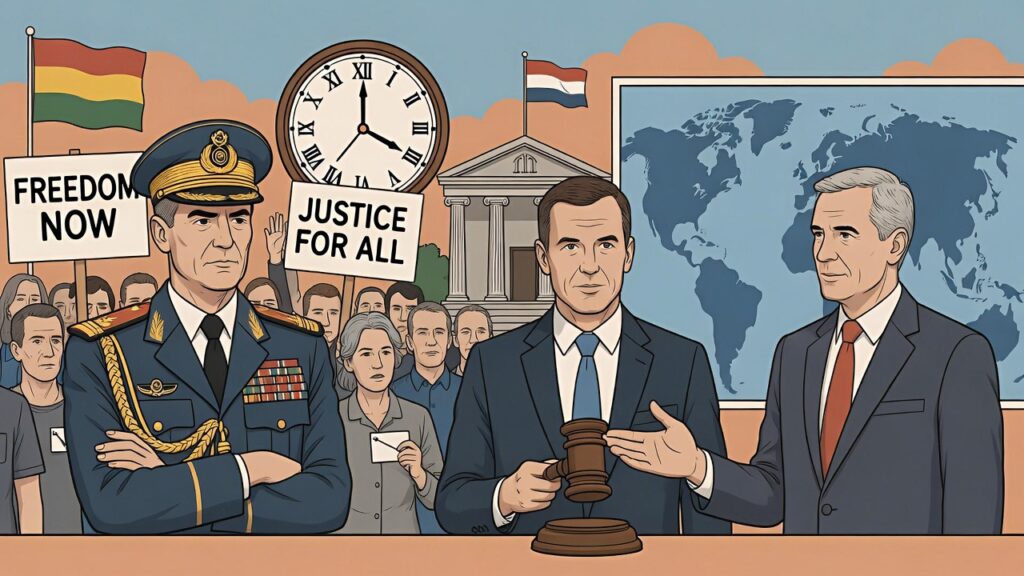
现代国际法中的“保护责任”(Responsibility to Protect, R2P)原则明确:国家首先有责任保护本国公民免遭大规模暴行;当国家明显失职或拒绝保护时,国际社会可提供援助;在极端情形下(如种族灭绝、战争罪、反人类罪),且必须经联合国安理会授权,方可采取强制措施。
中国等国支持R2P的核心精神,但主张“负责任的保护”——干预者必须对“后保护”时期的重建与稳定负责,避免“打完就走”留下烂摊子。
- 当政权化身为制造灾难的机器(如导致数百万难民、经济崩溃、系统性处决),它便自动削弱了主权赋予的保护伞。
- 但“失职即失权”并非鼓励单方面行动。在极端情形下,终止犯罪链条的措施应是最后手段,且必须通过合法、多边渠道,而非绕过安理会的“斩首”或暗杀,以防演变为无休止的代理战争或大国博弈。
这也提醒所有国家:如果内部治理严重失序导致大规模人权危机,同样可能引发国际关注。因此,维护主权的最佳方式是持续改善民生、法治与人民福祉,而非依赖外部“豁免”或对抗性叙事。
4. 警惕真正的“双重标准”
独裁政权常指责文明世界搞“双标”,但真正的双标是双向的:
- 一方面,某些统治者在国内践踏法治、剥夺人权,却在国际上要求法律保护与主权豁免;
- 另一方面,某些大国在人权问题上选择性执法——对战略盟友(如沙特阿拉伯的妇女权利与记者遇害问题)睁一只眼闭一只眼,对地缘对手则高举R2P大旗。
这种双向虚伪不仅削弱了国际规范的公信力,还让更多国家对R2P持怀疑态度,担心它成为地缘政治工具。如果R2P被武器化,任何国家——包括人口众多、影响力上升的发展中大国——都可能成为下一个目标。
真正的正义应是普适的、非选择性的:通过加强联合国改革(如限制安理会否决权滥用、提升发展中国家话语权)来确保机制公平,而不是让大国单方面定义“暴政”。
结语:正义的“物归原主”与风险对称
支持对严重犯罪统治者的断然行动,绝非支持霸权,而是支持主权的真正重构——它属于街头抗争的平民、属于追求尊严的女性、属于被剥夺未来的年轻人,唯独不属于骑在人民头上的暴君。
但我们也要清醒:如果这一逻辑被选择性滥用,哪一天轮到其他国家面临类似国际叙事攻击时,也可能引发经济绞杀、代理冲突乃至国内混乱。真正的回归正义,需要普适标准、集体决策、多边授权,以及对干预后果的终身负责。
只有当主权被重新定义为“对人民的责任信托”而非“对统治者的终身保险”,当人权与稳定在全球规范中找到平衡,主权才能真正回归它唯一的主人——人民,而非成为任何势力博弈的棋子。
Sovereignty Is Not a Bulletproof Vest for Tyranny: Why Removing Dictators Is the Restoration of Justice
by HuSir
In today’s global discourse, whenever long-time rights-abusing dictators like Maduro or Khamenei face international sanctions or targeted removal, a familiar refrain emerges: “Sovereignty is sacred and inviolable.” Yet this argument crumbles under scrutiny in the modern world. We must be clear: sovereignty is a public trust belonging to the entire people—not a private weapon hoarded by a tyrant.
- Sovereignty Belongs to the People: Dictators Are Thieves of Sovereignty, Not Its Guardians
According to the Universal Declaration of Human Rights and social contract theory, the only legitimate source of sovereignty is the consent of the governed.
- Logical breakdown: When a ruler clings to power through rigged elections, jailing opponents, and crushing protests, the contract between ruler and ruled has been irreparably broken.
- Conclusion: At that point, the dictator is no longer the legitimate representative of the nation’s sovereignty; he becomes an internal aggressor. He may sit in the presidential palace, but he is effectively waging war on his own citizens. Taking action against such an illegitimate ruler does not violate national sovereignty—it removes a criminal who has hijacked the state.
- Separating Territorial Integrity from a Dictator’s Personal Immunity
Critics often label such actions “hegemonic imperialism.” But the real hegemony is the dictator’s total domination over his country’s resources and lives.
- Surgical precision vs. total war: A targeted “decapitation” strike or arrest is, in essence, high-precision accountability. It differs fundamentally from traditional invasions aimed at territorial conquest. The goal is to sever the chain of oppression at its head, restoring political self-determination to the people on the ground.
- Human rights trump sovereignty: When the principle of “non-interference in internal affairs” becomes a license for closed-door mass murder, that norm turns into an accomplice of evil. The civilized world has a moral duty to demonstrate that national borders are not the final barrier to justice—and certainly not safe havens for atrocity.
- The Responsibility to Protect (R2P): Sovereignty Is Not Just a Right—It’s a Duty
The modern international law principle of the Responsibility to Protect (R2P) is unequivocal: when a government manifestly fails or refuses to shield its citizens from large-scale atrocities, the international community has a duty to step in.
- Failure to protect equals forfeiture of authority: Under Maduro, Venezuela has seen economic collapse and millions driven into exile as refugees. Under Khamenei, Iran has executed women protesters and exported instability across the region. When a regime becomes the very engine of catastrophe, it automatically forfeits the protective shield that sovereignty is supposed to provide.
- Logical restoration: Removing a dictator through targeted action is often the lowest-cost way to halt large-scale human rights crimes. Far from undermining sovereignty, it is the ultimate defense of the responsibility that sovereignty entails.
- Beware the False Charge of “Double Standards”
Authoritarian regimes love to accuse the free world of hypocrisy and “double standards.” But the most brazen double standard is this: dictators trample domestic law and strip their people of rights at home, yet demand legal protection and respect for “human rights” on the international stage.
- They destroy the rule of law in their own countries, then expect international law to shield them;
- They rob their citizens of the right to vote, yet insist the world recognize their “legitimacy.”
Conclusion: Justice Means Returning Sovereignty to Its Rightful Owners
Supporting decisive action against dictators is not an endorsement of hegemony—it is an endorsement of sovereignty’s true reconstruction.
We must declare to the world: sovereignty belongs to the street protesters in Venezuela, to the defiant women in Iran, and to every citizen denied a voice—never to the tyrants who ride on their backs. Removing a dictator is not the destruction of a nation; it is the defusing of the bomb that has been strapped to its future. Only when the parasite who calls himself “the state” is excised can sovereignty return to its sole legitimate owner—the people.
发表回复