文/HuSir
在大洋国,很多人一生都在遵守规则,顺从权力,在各种大小制度的夹缝间努力维持生活。他们相信,只要不出头,只要不说错话,只要把事情办得周全,就能躲开麻烦,换来一份所谓的安全感。可临近中年后,他们却发现自己的身体开始垮掉,心里越来越压抑,情绪越来越不稳定,家庭关系越来越紧张。许多人开始以为这是命运,是压力太大,是环境不好,却很少有人真正问过一句:为什么我活得这样?
其实真相比我们以为的简单许多,却也刺痛得多:大多数大洋国人,把本该属于自己的判断力、分辨力、选择权,以及跟随神的勇气,在多年迎合权力的过程中,一点一点交了出去。
现状:
从小到大,我们被教导的不是如何独立思考,而是如何避免犯错;不是如何判断善恶,而是如何听话;不是如何坚持真理,而是如何“懂事”。于是,大洋国人形成了一种独特的“聪明”:遇事不问为什么,只问“别人怎么做”;面对制度不问合不合理,只问“我怎么不被惩罚”;面对权力不问对不对,只问“我怎么能躲过去”。
许多人把这种生存方式误以为是成熟、稳重、圆滑,但实际却是一种深层的恐惧——我们害怕承担责任,也害怕用自己的思想面对真实的世界。这种“安全”是极其脆弱的。因为一个人越是把判断交给外界,越是放弃自己的灵魂,身体与精神就越会受到反噬。你可以看到大洋国多少人中年之后心梗、高血压、焦虑抑郁、暴躁易怒、持续失眠;多少人越活越累,却连为什么累都说不出来;许许多多的人只觉得该“补肾”了,却不知道自己身体弱的根本原因是自己的精神层面、灵魂层面、信仰层面出现了严重问题。多少家庭每天都在压抑中勉强维持,只因谁也不敢真正说出心里的苦。我们以为这是命,其实这是长期不敢思考、不敢质疑、不敢面对真理的代价。
批判性思维的含义:
西方的“critical thinking”——批判性思维——本意从来不是攻击,也不是斗争,而是“对一切力量保持独立判断”。它并不要求反抗什么,而是要求一个人面对任何权力、命令、制度、习俗时,能先问一句:“这是真的吗?这对我和周围的人是善的吗?这符合神给人的自由与尊严吗?”然而在大洋国,“批判”一词被误译得太久,尤其是经过六十年代的那场文化革命后,“批判”一次被打上了让人胆寒的政治标签,人们以为“批判性思维”就是咄咄逼人、对抗权威,于是更加排斥,更加恐惧。
但真实的批判性思维不是对抗,而是属灵的分辨力在生活中的体现。
当你分辨一件事的本质,不盲从、不迷信权力、不被恐惧左右时,你就是在守护神赐人的自由。当你愿意用自己的理性、良知和信仰去应对世界时,你就在保护自己的生命不落入撒但的辖制。
反之,当我们遇到强权时,不敢问、不敢想、不敢判断,只能照做、照听、照怕,那我们把自己的自由直接交给了地上的掌权者,而掌权者背后常常不是神的旨意,而是黑暗力量对人的吞噬。越顺从,越被压榨;越沉默,越被剥夺;越迎合,越失去自由,最终连身体都会用病痛提醒你:你正在过一种违背灵魂的生活。
世界各地的人——无论是否是基督徒——都把自己看作有尊严、有判断力、有自由意志的个体。可是在大洋国的各个角落,太多人从小到大被教导:不要问为什么,不要乱想,不要质疑,不要出头,不要跟命令争论,更不要相信自己。于是,一个原本被神赋予自由与尊严的人,却被塑造成只能在规章制度里求生的工具。这不是文化问题,而是属灵问题。
觉醒的开端:
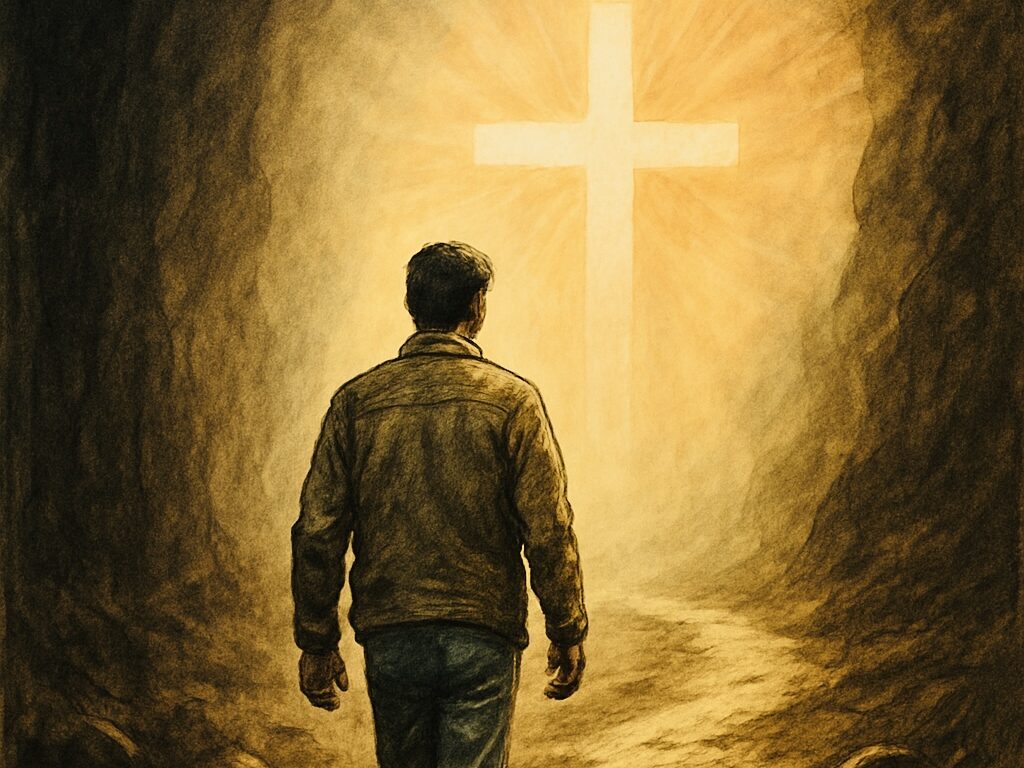
神(或称为你内心涌现出的直觉和热忱追求自由生活的动力)给人的第一份礼物不是财富、不是成功,而是自由、分辨力、选择与责任。而撒但或者是我们内心的怯懦心理,就是让人以“安全”的名义,把这些统统交出去。
所以,大洋国人若要真正自由,不是等政治改变,也不是等某个时代来临,而是要从自己心里收回判断的权柄。从今天开始,不再因为恐惧而麻木;不再因为制度而放弃思考;不再因为权力而压抑真理;不再因为怕出事而让灵魂沉睡。
自由不是别人给的,
自由是神已经给你的(可以理解为这就是你心中的渴求)。
一个国家的命运从来不是由少数强权决定,而是由无数普通人愿不愿意活出神赐的自由决定。
当更多大洋国人开始问“为什么”、开始分辨善恶、开始坚持良知、开始承担自己的选择时,这片土地的风向就会开始转变。不是因为有什么“解放者”,而是因为普通人不再把自己的灵魂交出去。基督徒尤其如此,不要把耶稣基督当作偶像来敬拜,而是让自己的身体成为大胆被祂指引的践行者。
大洋国人缺的不是聪明,而是勇气;缺的不是能力,而是思考;缺的不是信仰,而是愿意跟随信仰的心。
愿每一个读到这篇文字的人,开始从恐惧中醒来,把神赐给你的自由再一次拿回手中。不论你是否是基督徒,这都是你的生命权利,也是你未来所有幸福的起点。
Critical Thinking and Freedom:
A Letter to Those Living in Fear in Oceania
By HuSir
In Oceania, many people spend their entire lives obeying rules, submitting to power, and struggling to survive in the cracks between countless systems. They believe that as long as they don’t stand out, don’t say the wrong thing, and handle everything perfectly, they can avoid trouble and exchange it for a so-called sense of security. Yet as they approach middle age, they suddenly find their bodies collapsing, their hearts becoming increasingly depressed, their emotions unstable, and their family relationships tense. Many assume this is fate, or that the pressure is too great, or that the environment is bad—yet few have ever truly asked one question: Why am I living like this?
The truth is much simpler than we imagine, yet far more piercing: most people in Oceania have gradually handed over what rightfully belonged to them—their ability to judge, to discern, to choose, and the courage to follow God—piece by piece, in years of catering to power.
The Current Reality
From childhood to adulthood, we were not taught how to think independently, but how to avoid mistakes; not how to distinguish right from wrong, but how to obey; not how to uphold truth, but how to be “well-behaved.” As a result, people in Oceania developed a unique kind of “cleverness”: when something happens, they don’t ask “Why?”, they ask “What are others doing?” When facing a system, they don’t ask whether it’s reasonable, but “How can I avoid punishment?” When facing authority, they don’t ask whether it’s right, but “How can I get past this safely?”
Many mistake this way of survival for maturity, steadiness, or sophistication, but in reality it is a deep fear—we are afraid to take responsibility, and afraid to face the real world with our own minds. This “safety” is extremely fragile. The more a person hands over their judgment to external forces and abandons their own soul, the more their body and spirit will push back against them.
You can see how many people in Oceania, after entering middle age, suffer heart attacks, hypertension, anxiety, depression, irritability, and chronic insomnia; how many grow more exhausted year after year but can’t even explain why; how countless people think they merely need to “tonify their kidneys,” yet have no idea that the real root of their weakness lies in severe problems at the spiritual and faith level. How many families hold together under suffocating pressure simply because no one dares to speak their true pain. We think this is fate, but in fact it is the price of long-term refusal to think, to question, and to face truth.
What Critical Thinking Really Means
The Western term “critical thinking” was never meant to be about attacking or fighting, but about maintaining independent judgment in the face of all power. It does not demand rebellion, but that when encountering any authority, command, system, or custom, a person can first ask:
“Is this true?
Is this good for me and the people around me?
Does this honor the freedom and dignity God gave to humanity?”
However, in Oceania, the word “criticism” has been mistranslated for too long—especially after the Cultural Revolution of the 1960s—when “criticism” was stamped with a terrifying political meaning. People began to believe that critical thinking meant aggressive confrontation against authority, and so they rejected it, feared it even more.
But true critical thinking is not confrontation—it is the expression of spiritual discernment in daily life.
When you discern the essence of something—when you refuse to blindly follow, refuse to worship power, and refuse to let fear control you—you are guarding the freedom God gave humanity. When you choose to face the world with reason, conscience, and faith, you are protecting your life from falling under the bondage of Satan.
Conversely, when we face power and do not dare to think, to ask, or to judge—when we only obey, only listen, only fear—we hand our freedom directly to earthly rulers. And behind such rulers is often not God’s will, but the devouring force of darkness. The more we submit, the more we are exploited; the more we stay silent, the more we are stripped; the more we comply, the more we lose freedom—until even the body uses sickness to remind us: You are living against your soul.
Around the world, whether Christian or not, people see themselves as individuals with dignity, judgment, and free will. But in the corners of Oceania, too many have been taught since childhood: Don’t ask why, don’t think too much, don’t question, don’t stand out, don’t argue with commands, and above all—don’t trust yourself. Thus, someone originally endowed by God with freedom and dignity is shaped into nothing more than a tool struggling to survive inside rules and regulations. This is not a cultural problem—it is a spiritual one.
The Beginning of Awakening
God (or the instinctive, burning desire for a free life that rises in your heart) gave humanity its first gift—not wealth, not success—but freedom, discernment, choice, and responsibility. Satan, or the cowardice in our hearts, deceives us into giving all of these away in the name of “safety.”
Therefore, if people in Oceania truly want freedom, they should not wait for politics to change or for a new era to arrive—they must begin by taking back the authority of judgment within their own hearts. Starting today, do not numb yourself because of fear; do not abandon thinking because of systems; do not suppress truth because of power; do not let your soul sleep because you are afraid something might go wrong.
Freedom is not something others give you.
Freedom is what God has already given you
—what you feel as the longing in your heart.
The fate of a nation is never determined by a handful of powerful people, but by whether countless ordinary people are willing to live out the freedom God bestowed.
When more people in Oceania begin to ask “Why?”, begin to discern good and evil, begin to uphold conscience, begin to take responsibility for their own choices—the direction of this land will begin to change. Not because some “liberator” arrives, but because ordinary people stop handing over their souls.
Christians especially must not treat Jesus Christ as a distant idol to worship, but let their own bodies become bold practitioners guided by Him.
People in Oceania do not lack intelligence, but courage; do not lack ability, but thought; do not lack faith, but the willingness to follow it.
May everyone who reads these words begin to awaken from fear and take back the freedom God has given you. Whether or not you are a Christian, this is your right as a human being—and the starting point of all future joy.